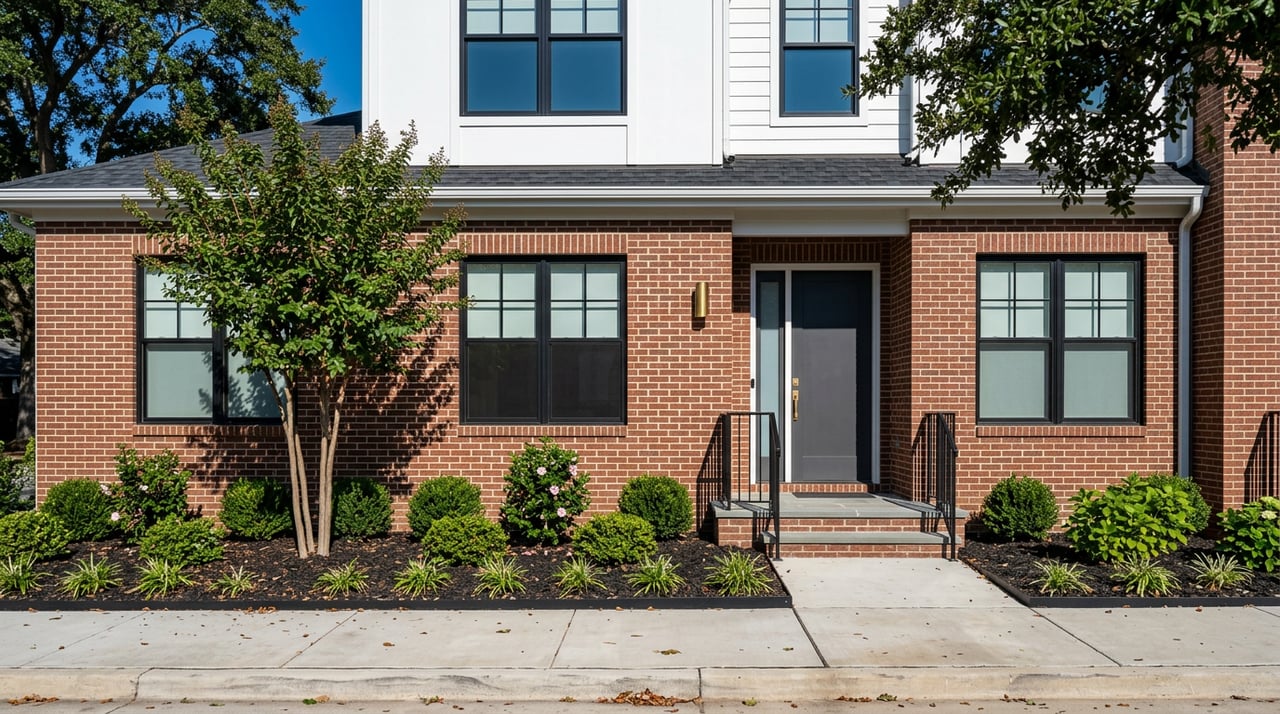
Are you wondering what your money actually buys in Rock Hill right now? You are not alone. With prices and inventory shifting month to month, it helps to see realistic examples by budget, plus how location, commute, taxes, and HOA fees shape your total cost. In this guide, you will learn what to expect at common price points, where to look based on lifestyle, and how to stretch your budget with South Carolina programs. Let’s dive in.
Rock Hill market at a glance
Typical home values in Rock Hill sit in the low-to-mid $300,000s as of early 2026. Major housing trackers report a median around 320,000 to 325,000, with price per square foot commonly near 200 to 207. Median days on market often ranges 60 to 90 days, which points to a market that is active but not frantic. Different sites track list price vs. sold price or use index models, so small differences between sources are normal.
If you are comparing nearby areas, Rock Hill’s pricing is generally lower than Fort Mill and below the broader Charlotte metro median. Many buyers choose Rock Hill to get more space for the money while staying within a reasonable I-77 commute. Inventory has been healthier lately than during the tight seller market of 2020 to 2022, so you have more options to compare.
What your budget buys in Rock Hill
Use these bands as practical snapshots, not hard rules. Prices and availability change quickly. Your exact options will depend on location, condition, HOA fees, and the time you start shopping.
Under $200,000: Budget-conscious starters
- What you will see: small detached bungalows and ranches from the 1950s–1970s, compact condos, and investor-friendly properties. Typical size runs about 700 to 1,200 square feet.
- What to expect: many homes will need updates to systems and cosmetics. Plan for careful inspections of roof, electrical, HVAC, plumbing, and pest conditions.
- Best fits: first-time buyers on a tight budget or investors who are comfortable with projects and value-building improvements.
$200,000–$300,000: Starter and lower-mid market
- What you will see: updated 2–3 bedroom ranches, modest single-family homes, and plenty of townhomes and condos. Common sizes range from 1,000 to 1,800 square feet.
- What to expect: commuter-friendly locations with easy I-77 access. Many homes in this range are move-in ready, especially townhomes.
- Best fits: buyers who want a simpler monthly cost, lower maintenance, and reasonable proximity to work or Winthrop University.
$300,000–$400,000: Comfortable family homes
- What you will see: 3–4 bedroom homes in established subdivisions, including late-1990s to 2000s resales. Lots often run about 0.2 to 0.5 acres with 1,600 to 2,600 square feet inside.
- What to expect: more yard, larger living areas, and garages are common. You will compare a wider range of floor plans and neighborhoods at this level.
- Best fits: buyers who want space for daily life, guests, and hobbies without jumping into luxury pricing.
$400,000–$600,000: Move-up and newer builds
- What you will see: newer construction with upgraded finishes, larger lots, and communities that may include pools, trails, and planned amenities. Newer pockets near Riverwalk and Eastview show up here.
- What to expect: builders may offer incentives at certain times, but factor HOA and amenity fees into your monthly budget. Some homes in this band overlap with closer-in suburbs on price, with Rock Hill offering more size and yard.
- Best fits: buyers ready for more space, newer systems, and community features.
$600,000 and up: Premium, lake, and custom
- What you will see: luxury builds, larger acreages, and lake-access or lakefront options near Lake Wylie. Expect higher-end finishes and larger footprints.
- What to expect: strong focus on location and privacy, with homes that showcase special features and outdoor living.
- Best fits: buyers seeking premium settings, water access, or a custom feel.
Neighborhood and lifestyle fit
Old Town and downtown Rock Hill
Old Town anchors community life with festivals, galleries, and restaurants. The arts scene is active, and events listed by the Arts Council of York County make this area a cultural hub. Buyers with modest budgets sometimes find smaller homes or condos near downtown walkability. Renovated historic homes in prime spots can command higher prices.
Nearby parks offer green space and seasonal events. Highlights include Glencairn Garden and Fountain Park listed on the City of Rock Hill facilities pages.
Riverwalk and active-lifestyle living
If you value trails and recreation, Riverwalk blends housing with outdoor amenities along the Catawba River. The master plan includes a velodrome, BMX facilities, and mixed housing types. Learn more about the community design and outdoor network from the Riverwalk project overview. You will see townhomes and single-family options at varied price points.
Lake Wylie, Eastview, and suburban pockets
These areas tend to attract buyers who want larger lots, newer builds, or water access. Many homes appear in the $400,000-and-up range, and premium properties sit higher. HOA structures vary by neighborhood, so compare dues and amenities as part of your total monthly cost.
Commute, schools, and taxes to consider
- Commute: Rock Hill is about 25 miles south of Charlotte. Drive times to Uptown often range 25 to 40 minutes depending on time of day and exact starting point. I-77 is the main route, and peak traffic can add time. See a general overview of the city’s location in this Rock Hill profile.
- Schools: Rock Hill Schools (York County District 3) serves the city. If school assignment is part of your decision, use the district’s resources and look-up tools from the Rock Hill Schools list to confirm zoning for a specific address.
- Taxes: Property tax burdens vary by parcel and by county and city lines. York County’s effective rates are often mid-range for South Carolina, while Mecklenburg County examples vary by municipality and district. For a cross-border comparison context, see this local tax guide and verify a specific home’s taxes with the county assessor.
Stretch your budget with assistance
South Carolina Housing runs several buyer programs that can reduce your upfront costs or monthly tax burden. Options include forgivable down-payment assistance, competitive-rate loans, and Mortgage Credit Certificates. Explore current offerings and eligibility on the SC Housing homebuyer programs page.
The City of Rock Hill also operates a first-time homebuyer assistance program. Typical awards have been up to about $5,000 and include education and counseling requirements. Program details change, so confirm current terms and timing directly with the city before you start making offers.
New construction or resale?
New builds can offer lower immediate maintenance, builder warranties, and move-in-ready finishes. Resale homes often deliver more square footage per dollar, especially if you are comfortable with minor updates. Many planned communities include HOA and amenity fees. Be sure to compare total monthly costs, not just price. For a sense of how builders frame the lifestyle value in Rock Hill’s growth areas, see this overview on new construction and community amenities.
Smart steps to shop with confidence
- Get pre-approved so you know your real purchasing power by price band.
- Build a full monthly budget that includes taxes, insurance, and any HOA or amenity fees.
- Compare list vs. recent sold prices when you set expectations for offers.
- Plan for inspections, especially on older homes, and set aside funds for immediate updates.
- If you are interest-rate sensitive, watch for builder or lender incentives that can improve your payment.
- Clarify your lifestyle priorities early: walkability, commute time, yard size, and access to parks or the river.
When you understand what each price band typically buys, you can act fast when the right home hits the market. If you want live examples matched to your criteria, a curated search that filters HOA fees and school assignment zones will save you time and stress.
Ready to see what your budget buys?
If you are thinking about Rock Hill, you deserve advice that blends market data with on-the-ground neighborhood knowledge. Let’s narrow your price band, compare new vs. resale, and line up any assistance you qualify for. Book a friendly, no-pressure consult with Jonathan Winn to start your Rock Hill plan today.
FAQs
How much home can I get in Rock Hill with a $300,000 budget?
- Many buyers in the $300,000 range find 3-bedroom resales in established subdivisions or newer townhomes, with sizes often around 1,400 to 1,900 square feet depending on location and condition.
Is Rock Hill more affordable than Fort Mill for the same price point?
- Yes, Rock Hill’s median is generally lower, so the same budget often buys more square footage or yard than in Fort Mill, though you should balance commute and neighborhood preferences.
Are walkable homes near downtown Rock Hill affordable on a modest budget?
- You will see small homes and condos near Old Town at lower price points, while fully renovated historic homes close to Main Street usually sell at higher prices.
What inspections should I prioritize for older Rock Hill homes?
- Focus on roof, electrical, HVAC, plumbing, and a wood-destroying insect inspection, and budget for updates common to mid-century homes.
How long do homes take to sell in Rock Hill right now?
- Market trackers often show 60 to 90 days on market for median listings, which signals an active but more balanced environment than recent peak seller markets.
What costs beyond the mortgage should I factor into my monthly budget?
- Include property taxes, homeowner’s insurance, HOA and amenity fees (if any), and a maintenance reserve, especially for older resales.
