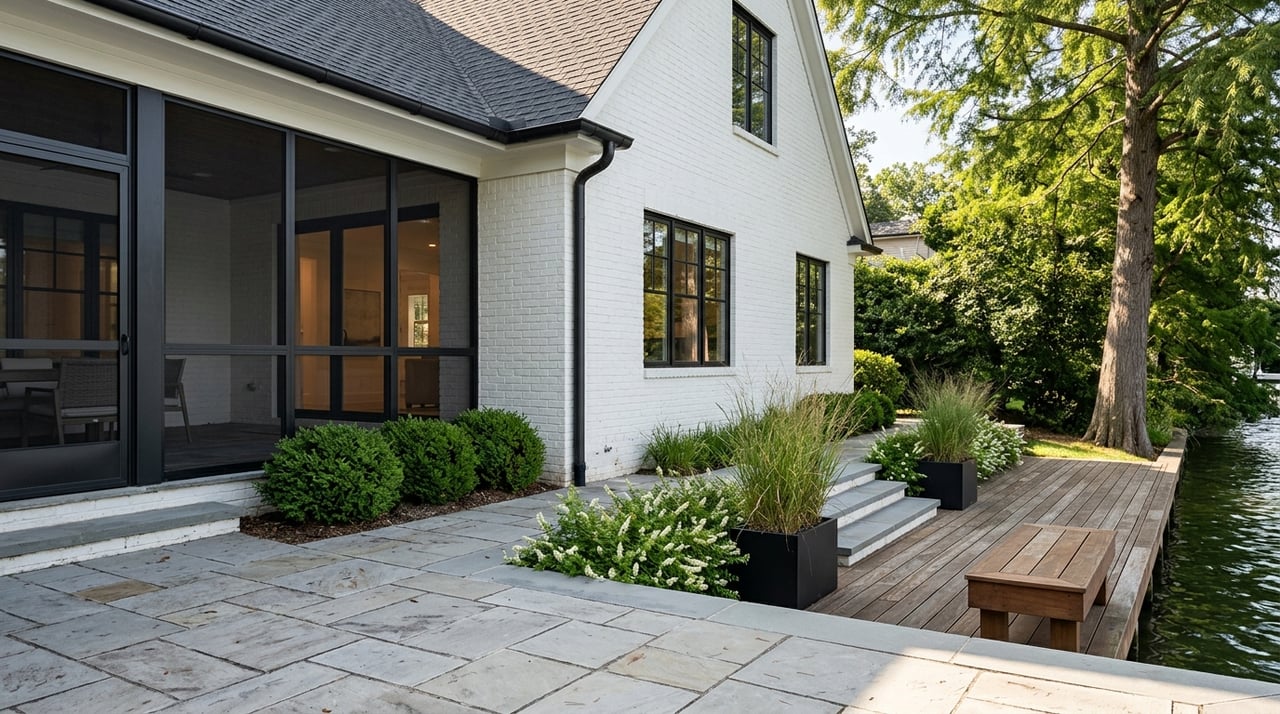
Dreaming about a lake house sounds simple until you start comparing coves, dock rules, taxes, and financing. If you are thinking about buying a second home at Lake Norman, you are not just choosing a property. You are choosing a lifestyle, a town, and a set of ownership rules that can shape how you use the home for years to come. This guide will help you sort through the big decisions so you can buy with more clarity and confidence. Let’s dive in.
Why Lake Norman draws second-home buyers
Lake Norman offers a rare mix of water access and metro convenience. It is North Carolina’s largest man-made lake, with more than 32,000 acres and about 520 miles of shoreline, and it sits roughly 20 minutes north of Charlotte. That combination makes it appealing if you want a weekend retreat now and possible full-time living later.
Just as important, Lake Norman is not one uniform market. Shoreline access, town character, boating conditions, and waterfront rules can vary a lot depending on where you buy. A home in one cove may feel very different from another property just a few miles away.
Start with your second-home goals
Before you focus on bedrooms or finishes, get clear on how you plan to use the property. Your intended use affects financing, location, and ongoing costs. It can also change which listings are truly a fit.
Ask yourself these questions early:
- Will you use the home mostly for weekend escapes?
- Do you want open-water access or a quieter cove setting?
- Are you hoping to rent it out occasionally?
- Could this become your primary residence later?
- Do you want a walkable town setting, or do you prefer privacy and shoreline access?
These answers matter because a second home for personal use is not the same thing as a rental-focused purchase. They also help you narrow down which part of Lake Norman best matches your lifestyle.
Match the town to your lifestyle
Cornelius for active waterfront living
Cornelius is often the best fit if you picture a classic Lake Norman experience with strong access to the water. The town says it has more shoreline than any other jurisdiction on the lake, and much of its peninsula shoreline is already built out with residential homes and communities. That built-out character can make available shoreline especially valuable.
Cornelius also stands out for public waterfront amenities. Ramsey Creek Park and Blythe Landing offer features like beach access, boat launch areas, slips, and sailing access. If you want a second home that supports frequent lake days and easier public access, Cornelius deserves a close look.
Davidson for a more regulated, village-centered feel
Davidson tends to appeal to buyers who want a more small-town setting with a village-centered character. The town planning framework emphasizes neighborhood connections, rural preservation, and public spaces. That creates a different feel from a purely waterfront-first search.
It is also important to understand that Lake Davidson is not the same as open-water Lake Norman. Lake Davidson is a 341-acre arm of the lake with tighter rules, including a 10-horsepower overnight dock limit and no individual docks. Resident watercraft storage is limited and lottery-based, so this area may work better for buyers who value town character and limited-access lake enjoyment over traditional private dock living.
Huntersville for convenience and year-round ease
Huntersville is a strong option if you want lake proximity with a more convenience-oriented base. It is often seen as the livelier of the core lake towns, with abundant shopping and recreational facilities. That can be especially appealing if you want your second home to feel easy and practical year-round, not just scenic on weekends.
For some buyers, Huntersville offers a helpful middle ground. You can stay close to the lake while also having everyday errands, services, and recreation nearby. If your second home may become a future primary home, that balance can be a major advantage.
Look beyond the town name
At Lake Norman, the specific cove and shoreline setup often matter as much as the town itself. A property’s dock exposure, water depth, shoreline condition, and access rules can shape your day-to-day experience more than the mailing address. That is why two homes in the same town can feel completely different in practice.
This is especially true because lake segments are regulated differently. Davidson’s lake areas are more tightly controlled, while Cornelius has heavily built-out shoreline. When you tour homes, pay attention to what you can actually do at that property, not just how the listing describes the lifestyle.
Understand second-home financing rules early
If you plan to finance the purchase, the lender conversation should happen early. Fannie Mae says a second home must be occupied by the borrower for some portion of the year, be a one-unit dwelling suitable for year-round occupancy, remain under the borrower’s exclusive control, and not be a rental property or timeshare arrangement. If rental income is involved, it may still qualify in some cases, but that income cannot be used to qualify and the other second-home rules still apply.
That means your usage plan matters. If you expect frequent short-term rentals or plan to sign a management agreement right away, the home may not be treated as a second home for financing purposes. In many cases, a rental-heavy plan pushes the loan toward investment property treatment instead.
Budgeting matters here too. Closing costs often run about 2% to 5% of the purchase price, and a smaller down payment can trigger mortgage insurance on many loans. A lake purchase can look similar to a primary-home search on paper, but the financing details are often different enough that getting an early lender estimate is worth it.
Check rental, tax, and HOA rules before you offer
A lot of second-home buyers like the idea of occasional rental income, but this is where you want clarity before writing an offer. Mecklenburg County says room occupancy tax returns are filed monthly by those who rent rooms, lodging, or accommodations in the county. Even occasional rental plans should be reviewed against lender rules, local tax requirements, and any HOA restrictions.
This is one of the most common places buyers get tripped up. A home may be perfect for your personal use but complicated for short-term rental plans. If rental flexibility matters to you, confirm the framework before you commit.
Pay close attention to docks and shoreline rules
For waterfront homes, shoreline due diligence is a major part of the purchase. Duke Energy manages the reservoir system and says lake levels can vary by location and inflow conditions. Duke also says shoreline work such as docks, dredging, and shoreline stabilization should go through its permit process.
That has real-world impact for second-home ownership. A dock that works well in one season may feel different when levels shift, and planned repairs or shoreline improvements may require approval. If you are buying for boating, swimming, or long-term waterfront enjoyment, dock usability and shoreline permissions should be part of your decision from day one.
Budget for the full cost of ownership
Your monthly payment is only part of the story with a Lake Norman second home. Mecklenburg County says real estate tax bills are based on January 1 value, and the county’s current property tax rate is 49.27 cents per $100 of assessed value, with municipal tax added on top. Since Cornelius, Davidson, and Huntersville each layer in local taxes, total carrying costs can differ by town.
If you plan to keep a boat, that can add another line item. Mecklenburg County says boats, campers, airplanes, and similar items are individually taxable personal property based on January 1 value. For many lake buyers, that is an easy cost to overlook when building a realistic annual budget.
You should also leave room for maintenance. Waterfront ownership can include dock upkeep, shoreline monitoring, insurance questions, and seasonal repair timing. Compared with a non-lake second home, these moving parts deserve more attention up front.
Think about future primary-home use
Some buyers start with a second home and later decide to move in full-time. Lake Norman can support that path well because of its proximity to Charlotte and the different lifestyle options across the lake towns. If that is even a possibility for you, it is smart to think ahead while you shop.
Tax treatment can change when a home becomes your primary residence. For example, Mecklenburg County’s elderly or disabled homestead exclusion applies only to a primary residence and has a June 1 application deadline plus an income cap listed by the county. Even if that specific program does not apply to you now, it is a reminder that your long-term use can affect future tax planning.
A smart Lake Norman buying checklist
When you compare homes, keep your due diligence focused on how the property will actually function for you. A beautiful lake view is only part of the equation.
Use this checklist as you narrow your options:
- Confirm whether your financing plan fits true second-home rules
- Ask how the property has been used in the past
- Review any HOA limits on rentals, boats, or exterior changes
- Verify dock, shoreline, and permit considerations
- Ask about lake-level variability and practical dock access
- Estimate total annual taxes, including municipal taxes if applicable
- Factor in boat taxes if you plan to keep watercraft
- Consider whether the home works for future full-time living
- Compare not just the town, but the cove and water access experience
How to make the right Lake Norman choice
The best second home at Lake Norman is usually the one that fits your real habits, not your vacation-day fantasy. If you want active waterfront living and easy public lake access, Cornelius may rise to the top. If you prefer a village-centered setting with more structure around lake use, Davidson may feel like a better match. If convenience and year-round practicality matter most, Huntersville may offer the balance you want.
The key is to buy with a full picture of how the home will be used, financed, maintained, and enjoyed. When you line up the property with your goals from the start, your second home has a much better chance of feeling like a true win for years to come.
If you want help comparing Lake Norman neighborhoods, waterfront tradeoffs, and second-home fit, Jonathan Winn is here to help you make a clear, confident move.
FAQs
What should buyers know about Lake Norman as a second-home market?
- Lake Norman is a large and varied market, so shoreline access, town feel, boating conditions, and property rules can change significantly by town and even by lake segment.
What makes Cornelius a strong option for a Lake Norman second home?
- Cornelius offers extensive shoreline, a heavily established waterfront setting, and public lake amenities like Ramsey Creek Park and Blythe Landing that support an active lake lifestyle.
What is different about buying near Davidson and Lake Davidson?
- Davidson offers a village-centered setting, and Lake Davidson has tighter rules that include no individual docks, limited resident watercraft storage, and a 10-horsepower overnight dock limit.
How do lender rules affect a Lake Norman second home purchase?
- A true second home generally must be for your personal use during part of the year, be suitable for year-round occupancy, remain under your control, and not operate as a rental property or timeshare.
What should buyers check before renting out a Lake Norman second home?
- You should review lender occupancy rules, Mecklenburg County room occupancy tax requirements, and any HOA restrictions before assuming occasional or short-term rental use is allowed.
What extra ownership costs matter with a Lake Norman property?
- Beyond your mortgage, budget for real estate taxes, municipal taxes, possible boat personal property taxes, and ongoing waterfront maintenance such as dock and shoreline upkeep.
Why do dock and shoreline rules matter when buying on Lake Norman?
- Duke Energy says lake levels can vary and shoreline work like docks, dredging, and stabilization typically goes through its permit process, so waterfront usability and future repairs should be checked early.
Can a Lake Norman second home become a primary residence later?
- Yes, many buyers consider that path, and if your use changes later, some property-tax rules and exemptions may also change because certain programs apply only to a primary residence.
